The global beauty and personal care industry continues to evolve rapidly, driven by changing consumer expectations, social media influence, and increasing demand for customized products. For emerging brands, launching a successful private label beauty line is no longer just about having a good product—it requires strategic planning, supply chain coordination, and strong brand positioning.
In today’s competitive market, businesses looking to enter the beauty industry must focus on building a clear value proposition. Whether you are targeting skincare, makeup, or personal care categories, your brand identity should reflect consistency, trust, and innovation. Consumers are no longer loyal only to big names; instead, they prefer brands that align with their lifestyle, values, and skin needs.
Understanding the Role of Supply Chain Integration
One of the most critical factors in launching a beauty brand is supply chain efficiency. A well-structured supply chain allows brands to move quickly from concept to market while maintaining product quality and cost control.
Modern beauty supply chains often involve multiple stages: product formulation, packaging design, manufacturing, quality testing, and logistics. Working with a reliable supply chain partner helps reduce risks and accelerates product development cycles.
For private label and OEM/ODM brands, flexibility is key. The ability to adjust formulations, packaging styles, and product positioning based on market feedback can determine long-term success. Brands that rely on rigid systems often struggle to scale or adapt to changing trends.
Product Development and Market Differentiation
In the beauty industry, product differentiation is essential. With thousands of similar products in the market, your brand must stand out through innovation or niche targeting.
Successful brands often focus on one or more of the following strategies:
- Ingredient innovation (clean beauty, vegan, or organic formulas)
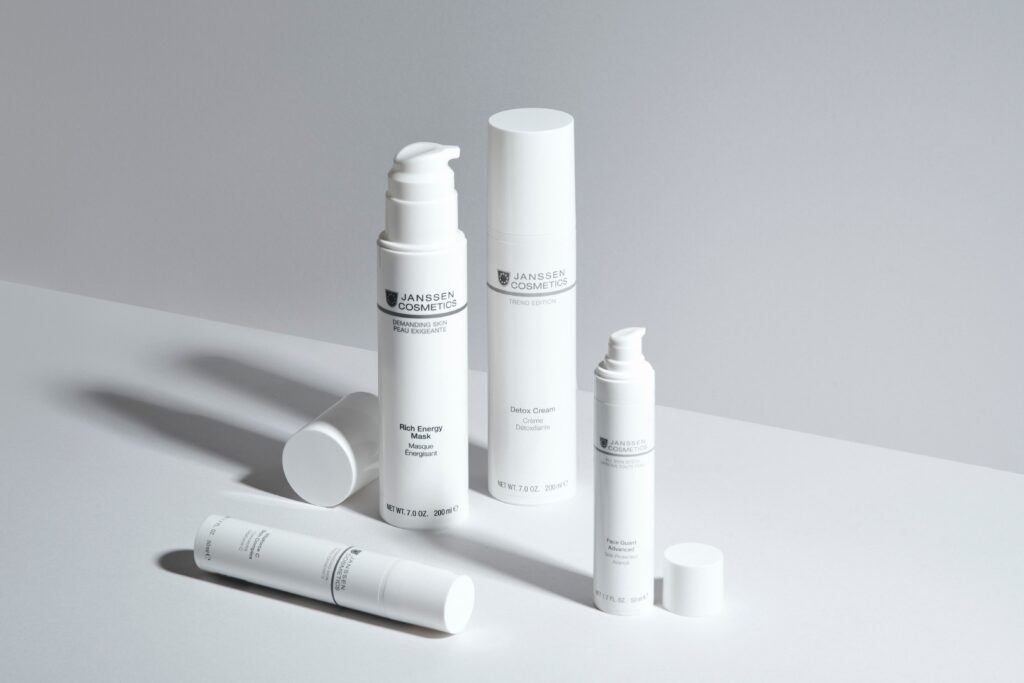
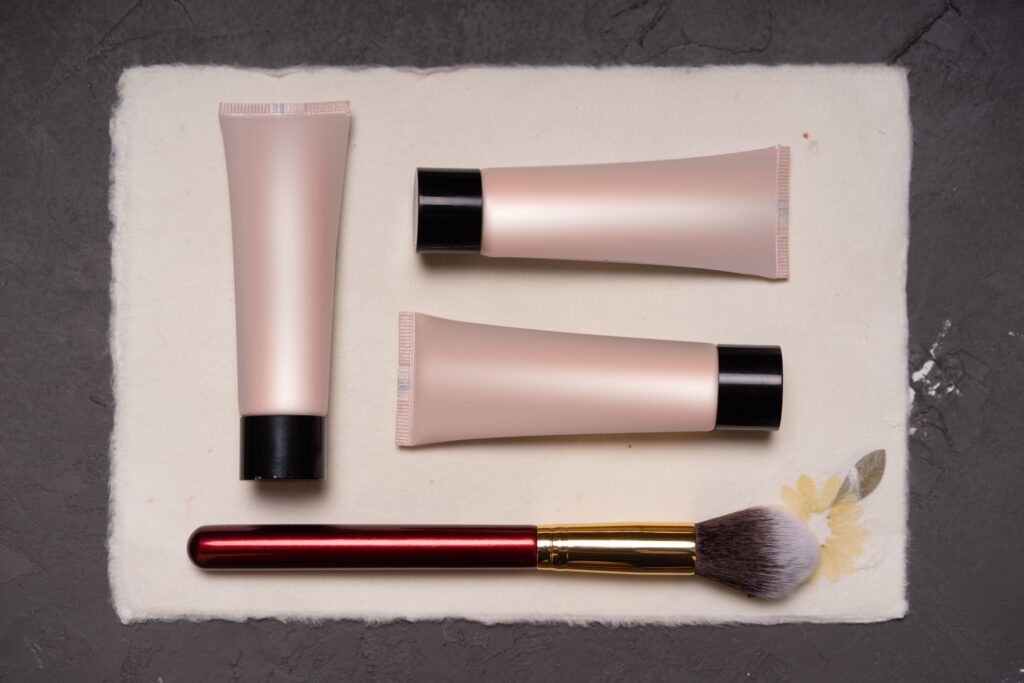
- Packaging aesthetics (minimalist, luxury, or sustainable design)
- Functional benefits (anti-aging, hydration, acne control)
- Targeted demographics (teen skincare, men’s grooming, or sensitive skin)
Product testing and consumer feedback are also essential steps in refining your offerings. Brands that invest in early-stage testing tend to achieve higher customer satisfaction and better market retention.
Branding and Positioning in North America
For brands targeting the North American market, positioning is especially important. Consumers in this region value transparency, safety, and authenticity. Claims must be backed by real product performance and certifications.
A strong brand story can significantly enhance market acceptance. Instead of simply promoting products, successful beauty brands communicate lifestyle values and emotional connections. This is particularly effective in skincare, where trust plays a major role in purchasing decisions.
Digital presence also plays a critical role. Websites, social media platforms, and influencer partnerships all contribute to brand visibility. A well-structured website with clear product categories, inquiry forms, and educational content can significantly improve conversion rates.
Scaling Through Strategic Partnerships
Growth in the beauty industry is rarely achieved alone. Strategic partnerships with packaging suppliers, formulation labs, and marketing agencies can help brands scale efficiently.
Working with an integrated partner that offers end-to-end solutions—from product development to branding support—can significantly reduce time-to-market. This is particularly important for startups that need to compete with established players quickly.
In addition, data-driven decision-making is becoming more important. Brands that analyze consumer behavior, sales trends, and product performance can make more informed decisions about future development.
Conclusion
Building a successful private label beauty brand requires more than just product creation. It demands a holistic approach that includes supply chain integration, strong branding, market positioning, and continuous innovation.
As the beauty industry continues to grow, brands that focus on agility, quality, and consumer trust will be best positioned for long-term success. Whether you are launching your first product or expanding an existing line, aligning with the right partners and strategies will determine your ability to stand out in a crowded marketplace.